
Protect Staff & Patients
Protect Inventory.
Reduce Workload.
IoT NEXUS helps healthcare facilities protect patients, medication, samples and critical environments through continuous monitoring and automated alerts.
●Detect early. Respond instantly. Prevent losses.
Four layers of healthcare protection & optimazation.
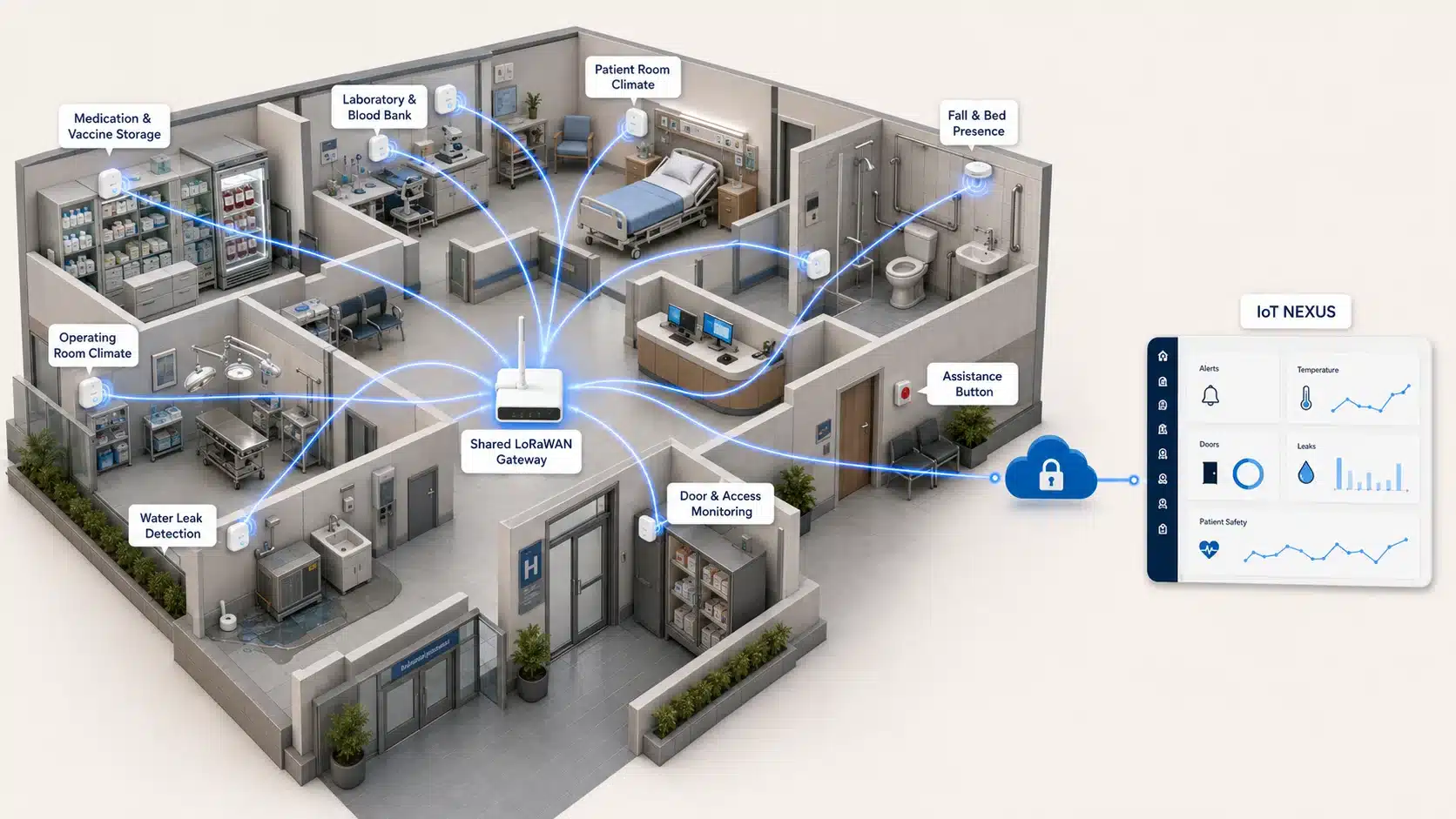
From a medication refrigerator to a patient room, IoT NEXUS connects multiple healthcare risks through one consistent monitoring and alert workflow.
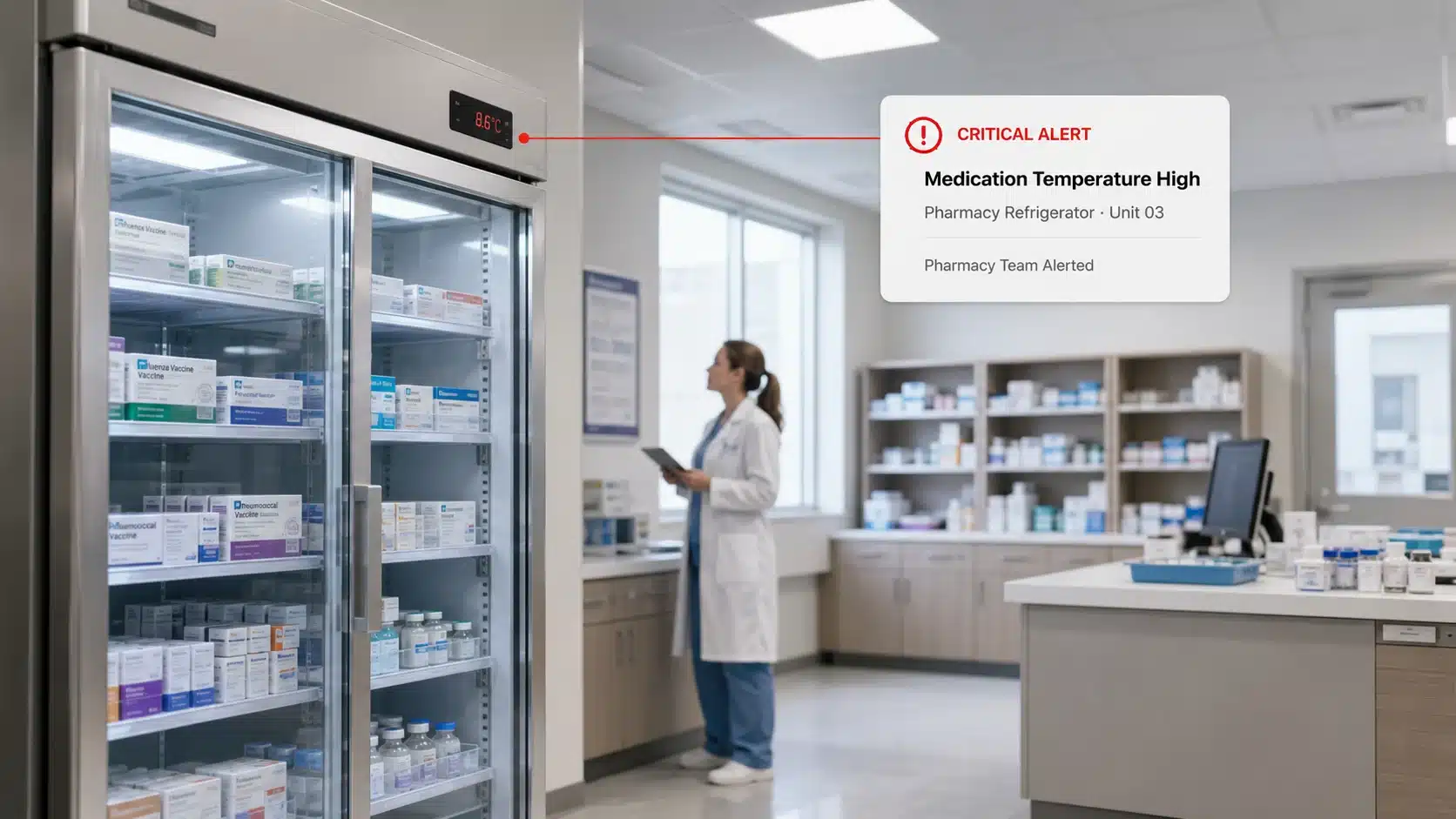
Medication & Samples
- Medication and vaccine storage
- Laboratory samples and reagents
- Blood products and freezers
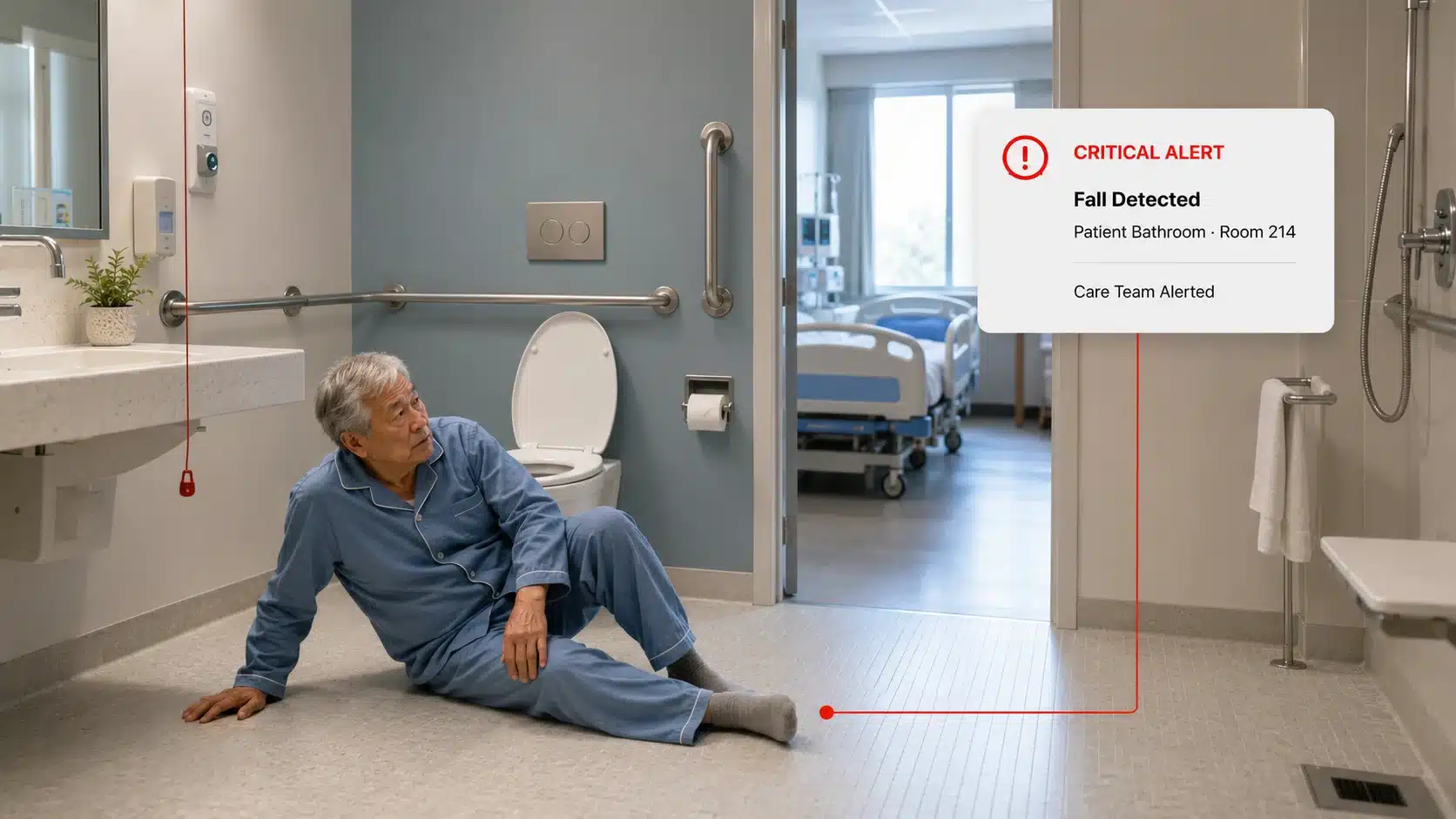
Patient Safety
- Fall event detection
- Bed presence awareness
- Motionless and overstay events
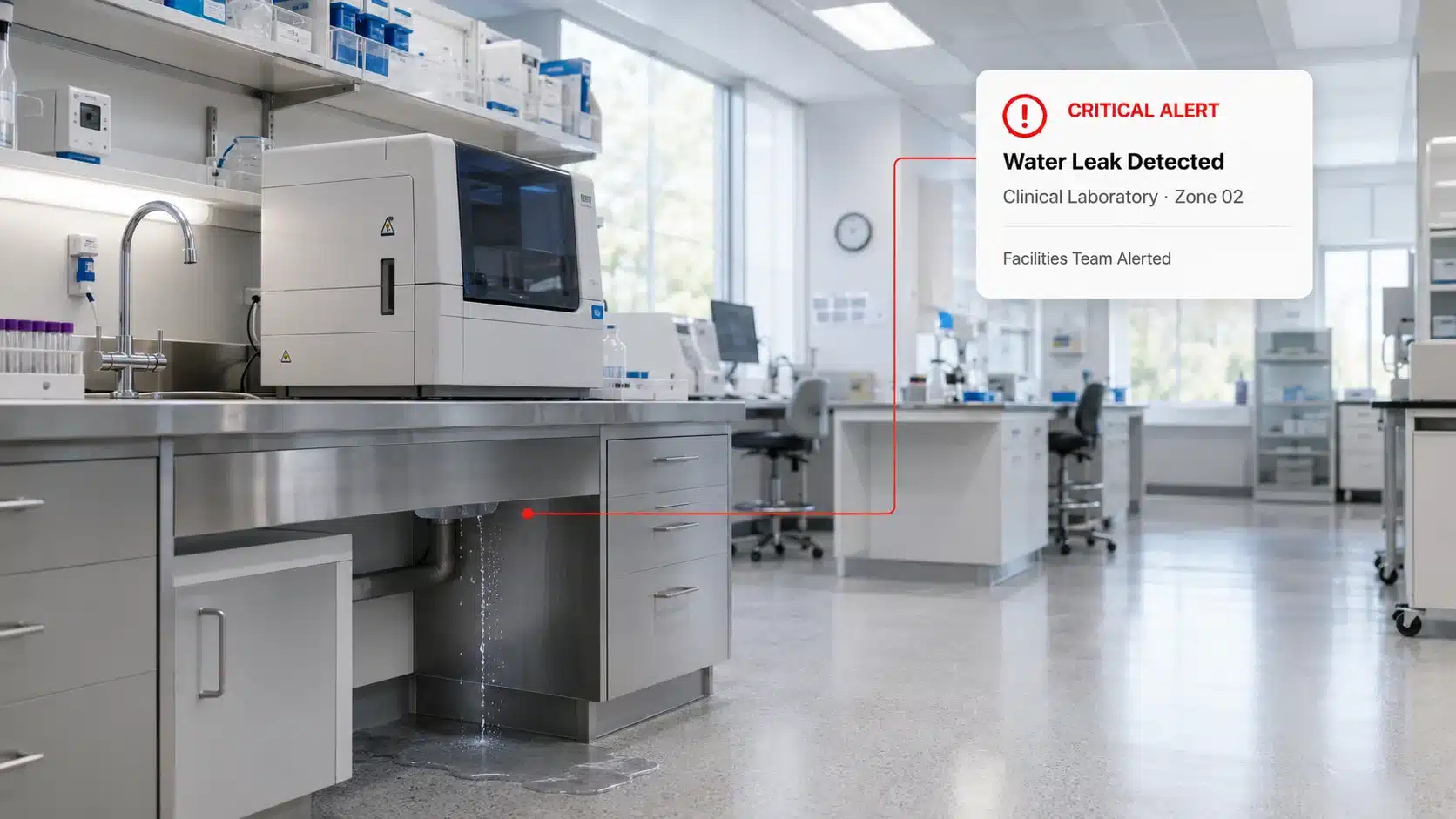
Facility Protection
- Water leak detection
- Room climate monitoring
- HVAC and sensitive areas
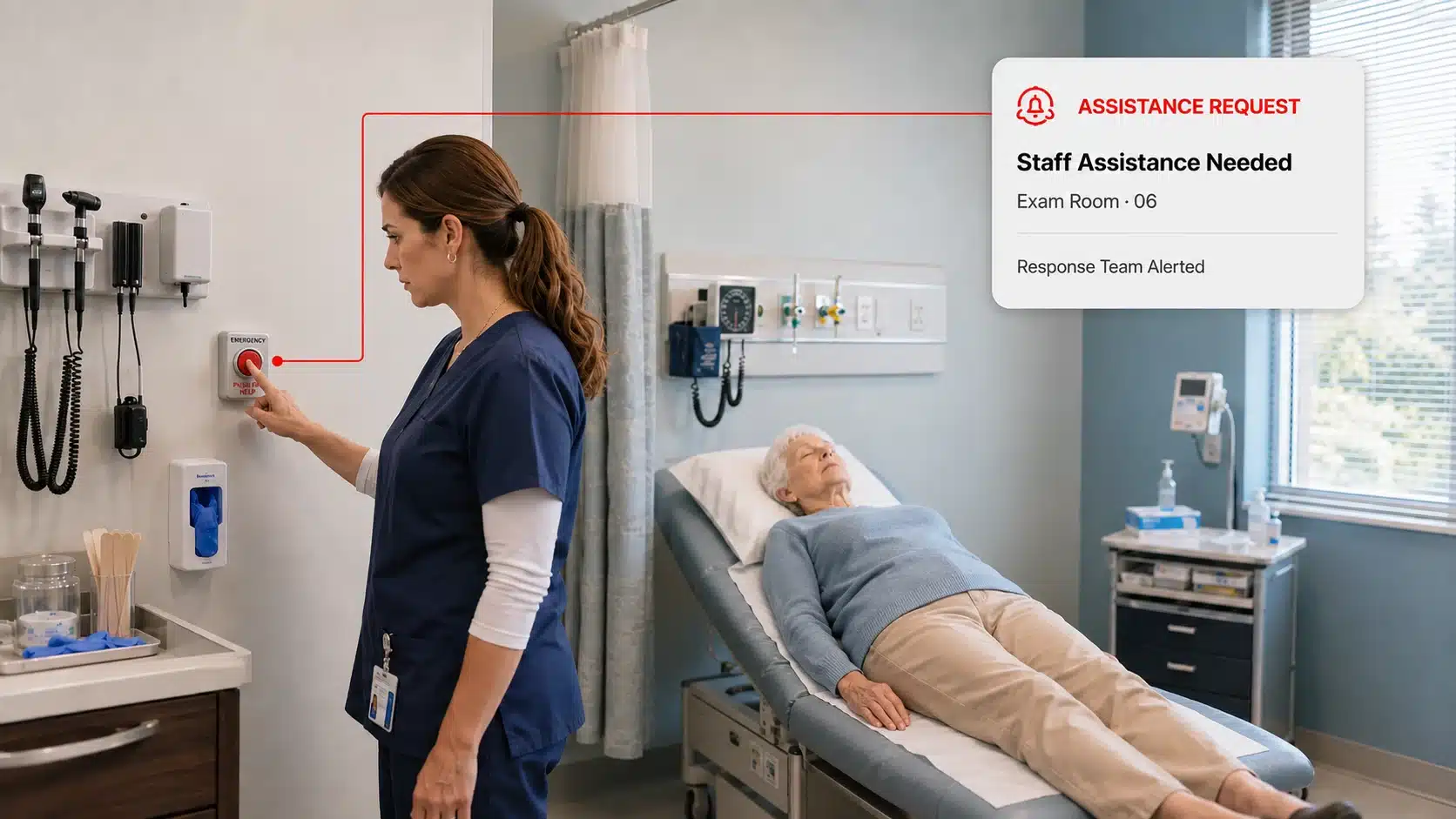
Assistance Workflows
- Staff support requests
- Pharmacy counter assistance
- Patient restroom assistance
Turn earlier awareness into measurable operational value.
Reduce Preventable Loss
Reduce Manual Effort
Accelerate Response
Strengthen Documentation
A critical condition should never wait to be discovered.
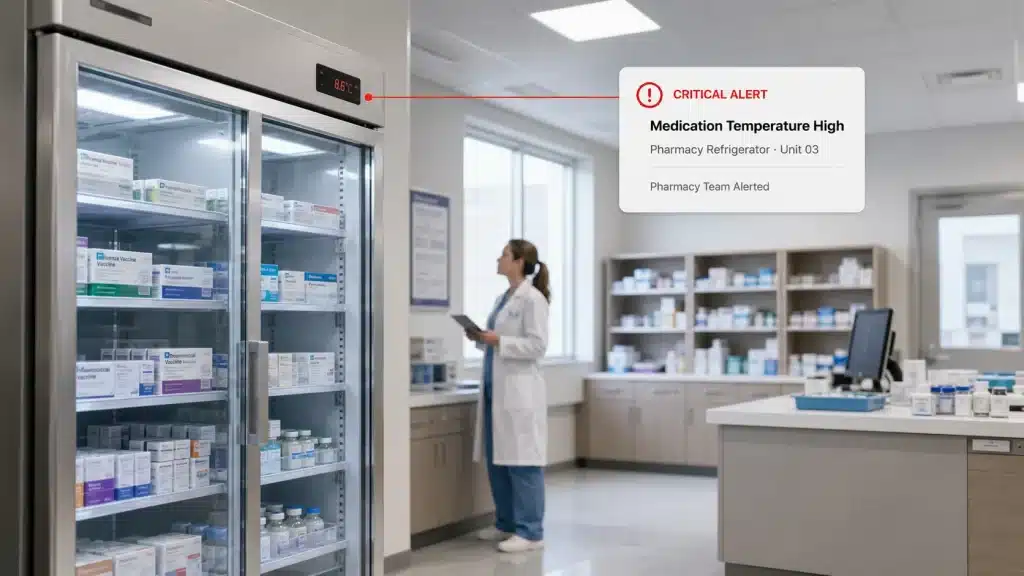
Protect medication, vaccines and critical samples.
- Continuous temperature and humidity visibility
- Configured thresholds for each asset or location
- Door open status and duration as an early warning
- Email, SMS and dashboard alerts
- Historical measurements and CSV export
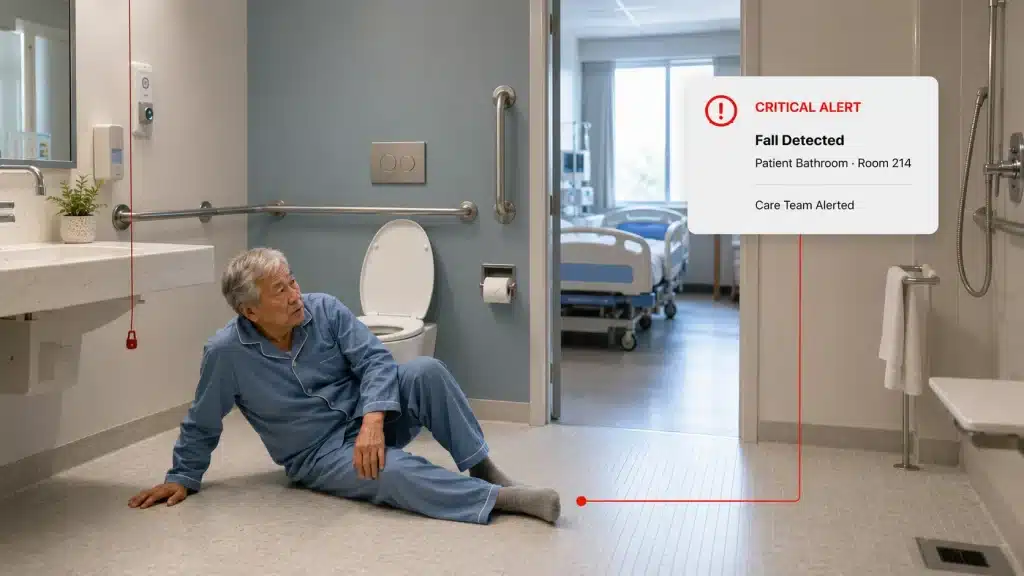
Earlier awareness when a patient may need help.
- Fall event detection
- Bed presence and out of bed awareness
- Room occupancy monitoring
- Motionless and overstay situations
- Alert routing to the configured care team
Monitor the risks around care delivery.
Extend monitoring across your healthcare operations to reduce manual effort, prevent disruptions and improve operational control.
Leak Detection
Room Conditions
Door Status
Smart Button Alerts
Built for Healthcare Environments of Different Sizes.
Start where the risk and potential cost are highest. Then expand IoT NEXUS across additional assets, rooms and facilities as your operational needs grow.
Hospitals
Academic Medical Centers
Pharmacies
Emergency Rooms
Urgent Care
Laboratories
Blood Banks
Rehabilitation
Senior Care
Research Facilities
Turn Critical Events into Coordinated Action.
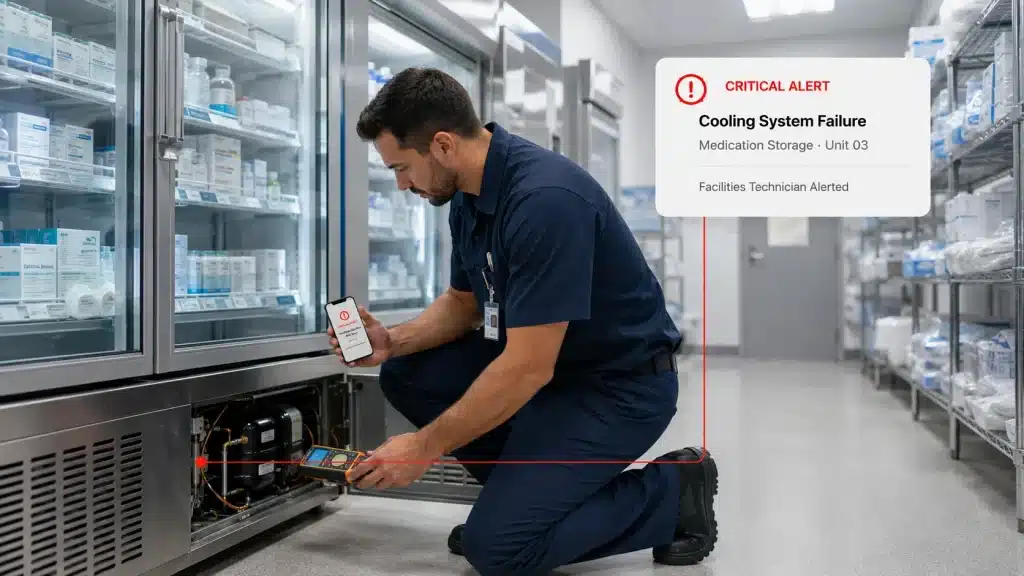
Alerts designed to reach the person who can act.
IoT Nexus for Healthcare
Frequently Asked Questions About IoT Monitoring in Healthcare
No. The fall detection sensor uses contactless 4D mmWave radar rather than a camera. It detects defined events such as falls, bed presence, room occupancy or prolonged inactivity without capturing or storing video images of the patient.
This makes it suitable for privacy-sensitive areas such as patient rooms and accessible bathrooms where conventional video monitoring would be inappropriate.
IoT NEXUS is designed to monitor defined conditions and events, such as a fall in a specific room, a temperature excursion or an assistance request. It does not need access to medical records to perform these monitoring functions.
The exact data collected depends on the configured use case. Locations, timestamps and event information should therefore be included in the facility’s own privacy, access and retention policies.
No. Fall detection should be positioned as an additional monitoring and alerting layer. It can provide earlier awareness when a patient falls, leaves the bed or remains motionless, particularly when the patient is alone.
It is not intended to replace required nurse call, emergency response or certified life safety systems.
Thresholds, recipients, escalation rules and monitored locations are configured around the individual asset and response workflow. This helps ensure that an alert contains useful context and reaches the team responsible for taking action.
Correct sensor placement, realistic thresholds and validated escalation paths are essential for avoiding unnecessary alerts.
Selected sensors can temporarily store readings and retransmit data after connectivity is restored, helping to reduce gaps in the measurement history. IoT NEXUS can also monitor missing sensor data or an offline gateway and notify configured recipients.
Actual backup duration and offline behavior depend on the selected sensor, gateway and site configuration.
IoT NEXUS can support documentation, quality reviews and audit preparation through historical measurements, event records and data exports. Depending on the selected sensor, CSV or PDF exports and calibrated probe options may also be available.
However, no sensor or monitoring platform makes a healthcare organization compliant on its own. Required procedures, validation, calibration and regulatory responsibilities remain with the organization.
The correct setup depends on what must be protected. A medication refrigerator, blood bank, laboratory freezer and patient room require different sensors and measurement points.
During setup, the critical asset, probe position, reporting interval, thresholds and alarm workflow should be defined and validated. For frequently opened refrigerators, a thermal buffer may help prevent short air temperature fluctuations from triggering misleading alerts.
Alerts can be assigned according to location, asset and operational responsibility. A pharmacy temperature excursion may be routed to pharmacy staff, while a water leak may be sent to facilities management or an external service provider.
The objective is not simply to generate an alert, but to reach the person who can act before the impact grows.
